Engaging with business in the Asia Pacific region
GBI works with business practitioners in the Asia Pacific region to provide opportunities for practical discussions about human rights and help advance business practice.
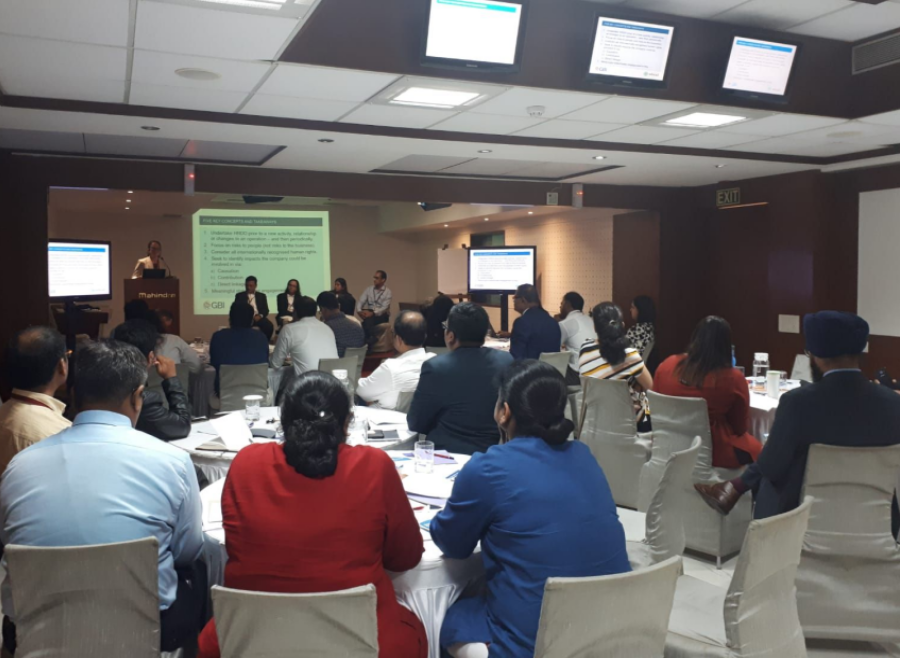
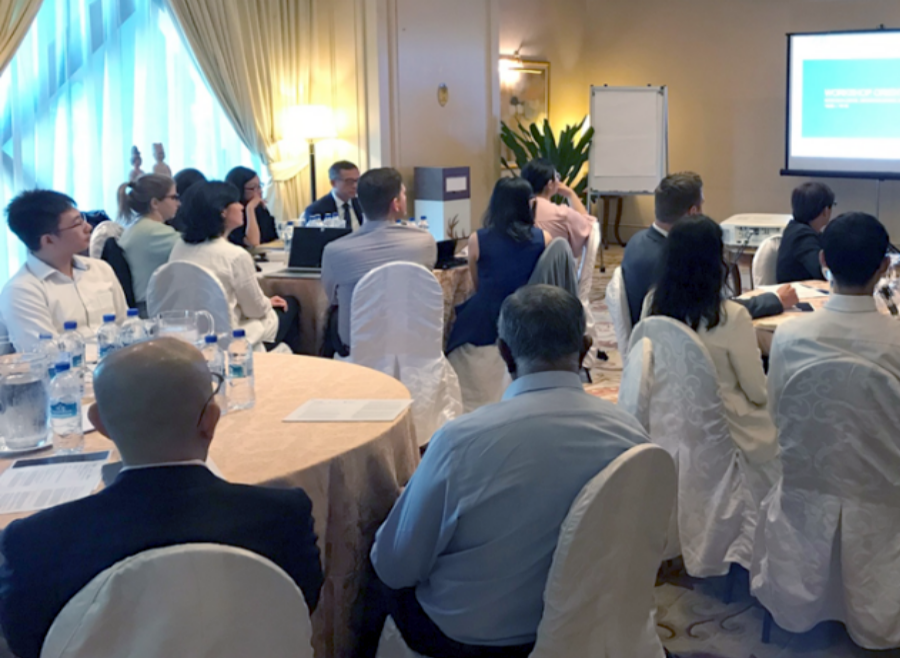
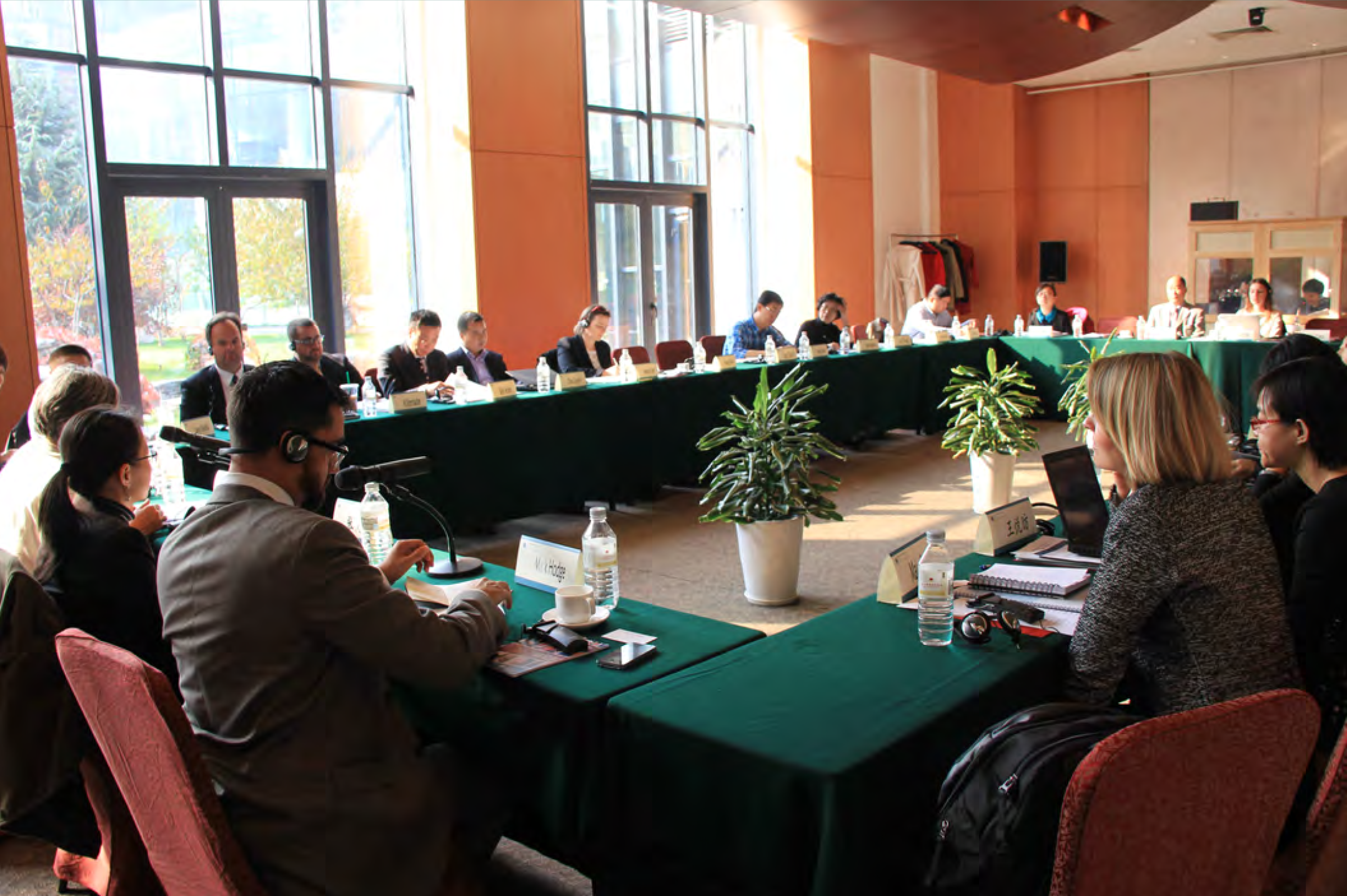
We currently collaborate with local partners and organisations to support business-to-business peer learning in India and South-East Asia. We organise regular workshops for a cross-industry group of business practitioners – including local colleagues and partners of GBI members – to exchange approaches, experiences and lessons learned on implementing respect for human rights in practice. These workshops also provide a forum for participants to learn about key trends and developments at a local level and around the world – and to discuss what they mean for business.
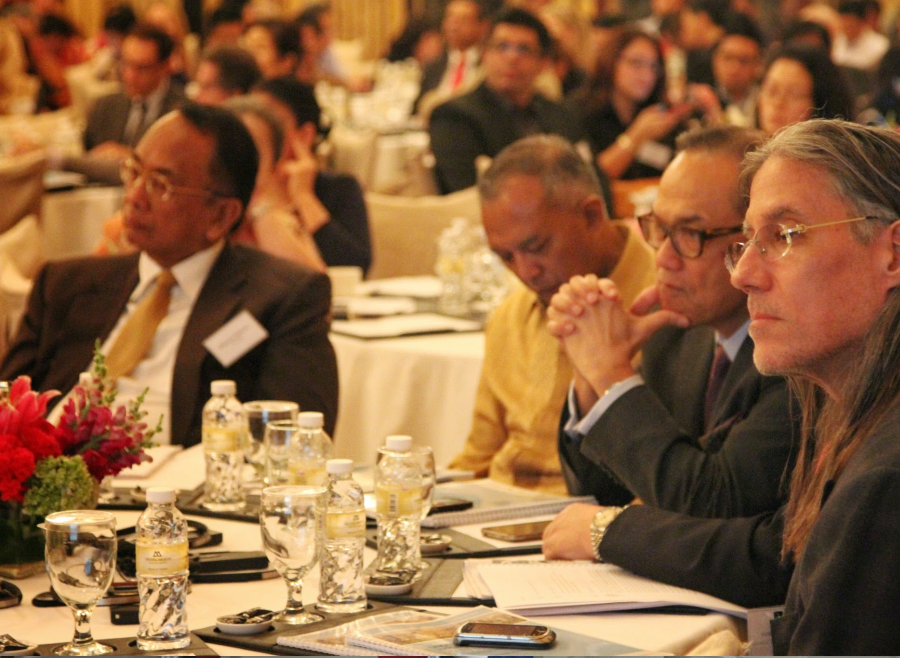
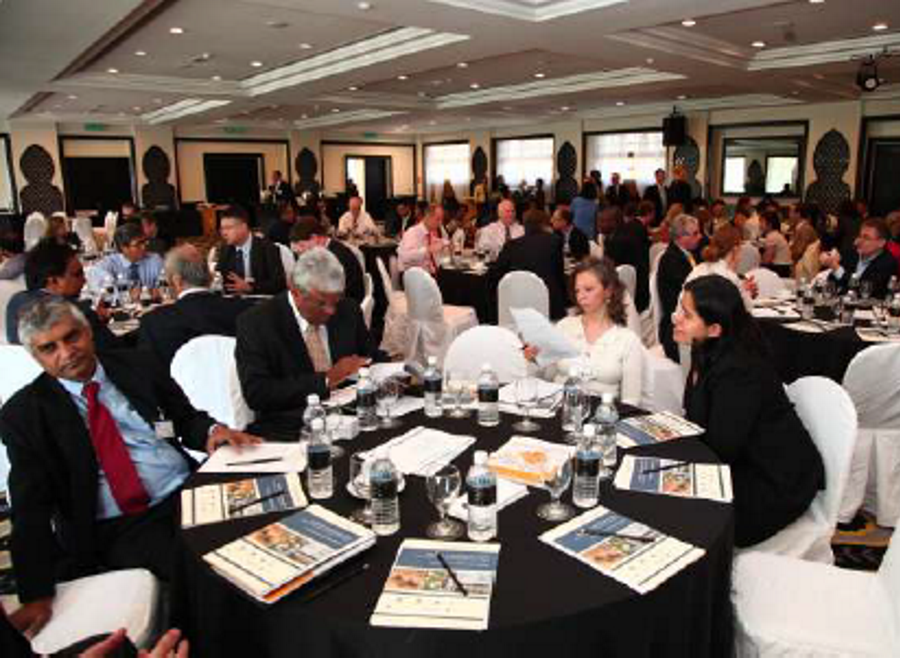
We have also partnered with local organisations to convene a number of larger business roundtables on human rights in India, Thailand, Malaysia, Indonesia and China. We have also organised side sessions for business during the UN Responsible Business and Human Rights Forum in Bangkok, Thailand. In India, we have also partnered with the Swiss Embassy and Swiss Consulates in Mumbai, New Delhi, and Bangalore to convene business practitioners in roundtable discussions. These dialogues provided unique opportunities for national and multinational company representatives to discuss practical approaches to managing human rights issues at a local level.
You can read updates on business and human rights in the Asia Pacific region and access outputs from GBI's events below.
Key developments in the Asia Pacific region
Recent developments include:
-
Thailand is in the process of drafting mandatory human rights and environmental due diligence legislation that would require companies to identify and address risks across their operations and supply chains. In July 2025, Thailand’s Ministry of Justice introduced an initial draft of the Act on Promotion of Responsible Business Conduct for consultation. After internal consultations, a second draft was circulated in September 2025. The draft has not yet been formally introduced into the legislative process.
-
In June 2025, the Democratic Party of South Korea reintroduced the legislative Bill for the Act on the Protection of Human Rights and the Environment for Sustainable Business Management ('Corporate human rights bill to enact mandatory due diligence legislation' 2025) to the National Assembly, with the support of NGO Korean Transnational Corporations Watch (KTNC Watch), the Korean Confederation of Trade Unions (KCTU), and the Federation of Korean Trade Unions (FKTU).
-
On 2 February 2026, Indonesia’s Minister of Human Rights announced that President Prabowo approved drafting of mandatory due diligence legislation via the Presidential Regulation on the Implementation of Compliance Assessment of Business Actors with respect to Business and Human Rights. The draft's completion is targeted for 2026, dissemination in 2027, and legally binding enforcement in 2028.
-
The Australian government has enacted the Modern Slavery Act 2018, which requires certain companies to publish an annual modern slavery statement that provides information about the risks of modern slavery in their operations and supply chains, as well as the actions taken to address those risks.
-
In 2019, the Indian government published National Guidelines on Responsible Business Conduct, which sets an expectation that companies will respect human rights in line with the UNGPs. In May 2021, the Securities and Exchange Board of India (SEBI) issued a regulation requiring the top 1,000 listed companies to disclose their activities in a Business Responsibility and Sustainability Report (BRSR). The BRSR format is based on the nine principles of the RBC Guidelines.
-
A number of governments in the Asia Pacific region have developed – or are in the process of developing – National Action Plans (NAPs) on Business and Human Rights. In August 2018, South Korea published a NAP on the promotion and protection of human rights, which includes a chapter on business and human rights. In October 2019, Thailand became the first country in the Asia Pacific to publish a standalone NAP on business and human rights, and has since then published a second NAP. In October 2020, Japan published its NAP and in September 2021, Pakistan published a NAP. In 2023, Indonesia, Vietnam and Mongolia launched their National Action Plans. In 2025, Malaysia launched its NAP and the Philippines started developing a NAP. India is also in the process of developing its NAP.
UN regional forums on business and human rights in the Asia Pacific are held annually. Access more information on the UN Responsible Business and Human Rights Forum in Bangkok here.
GBI event reports and resources
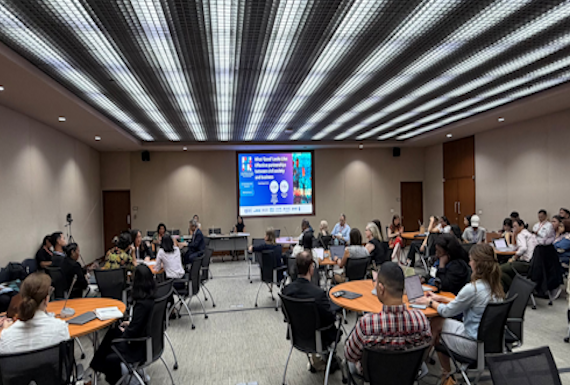
SUMMARY: GBI and The Remedy Project’s roundtable: Effective partnerships between civil society and business - Bangkok, Thailand 2026
 Download, PDF
SUMMARY: GBI’s workshop with GBI members, business and civil society on forced labour and migrant workers - Kuala Lumpur, Malaysia 2026

SUMMARY: GBI and Pillar Two host practical workshop on deepening due diligence at the UN Regional Forum - Bangkok, Thailand 2025

SUMMARY: Workshop for business practitioners on meaningful stakeholder engagement - Bengaluru, India 2025
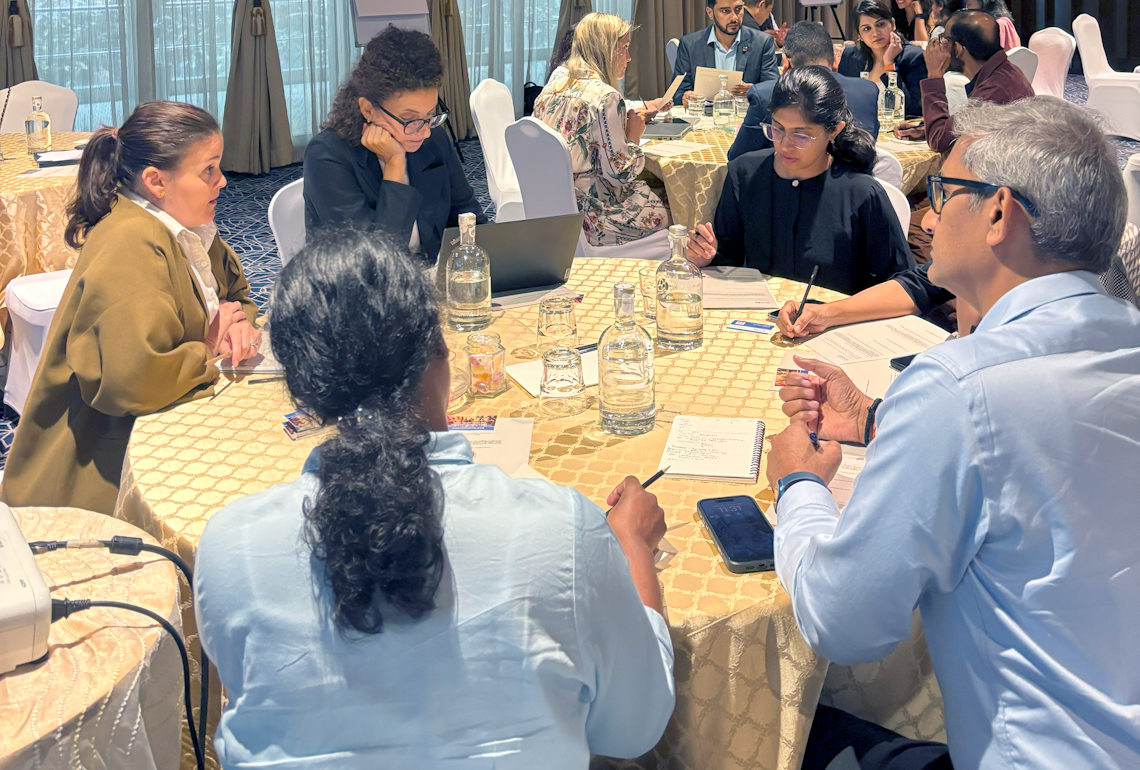
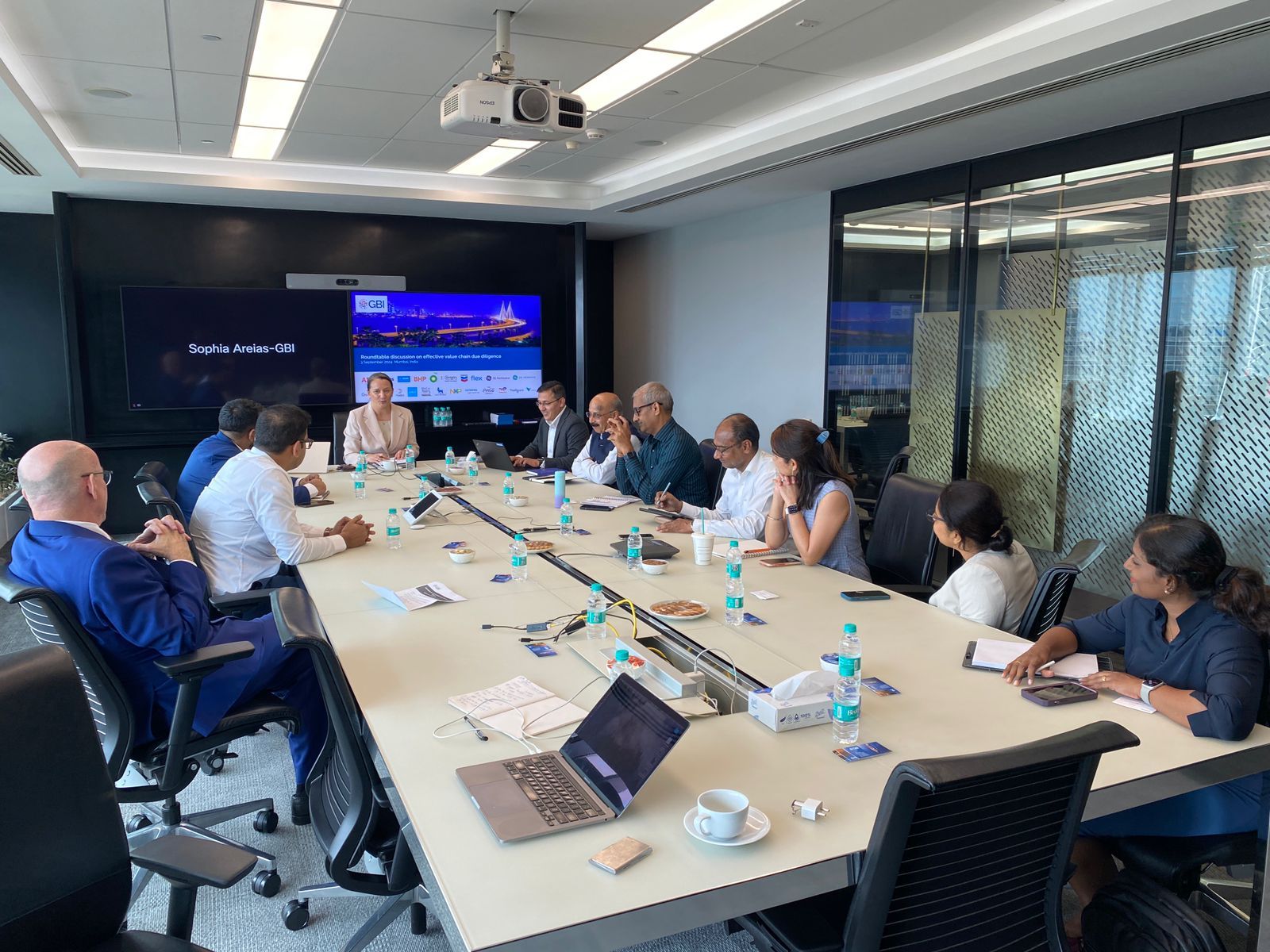
SUMMARY: Roundtable for business practitioners on effective value chain due diligence - Mumbai, India 2024
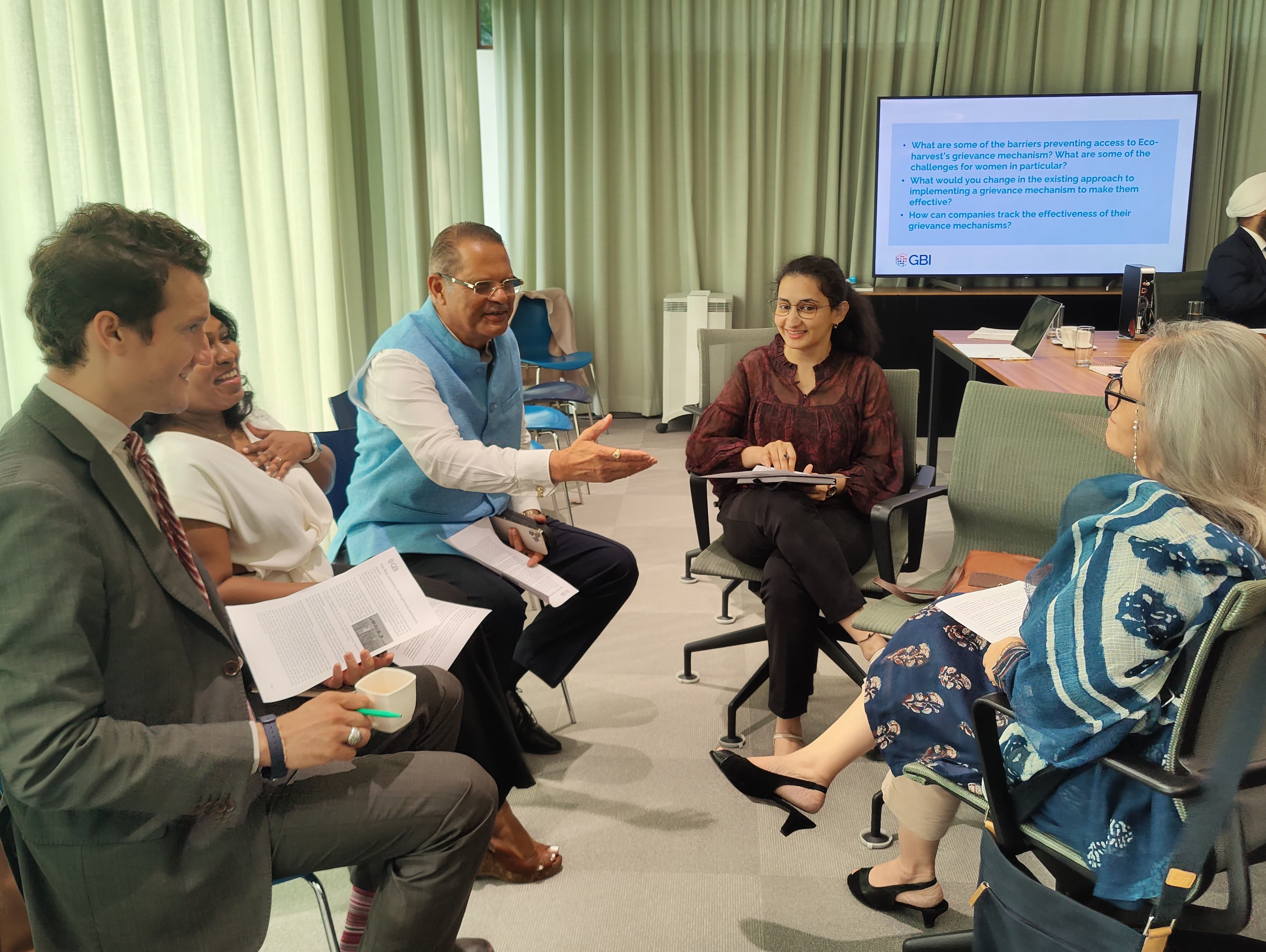
SUMMARY: Roundtable for business practitioners - the role of grievance mechanisms in effective value chain due diligence - Delhi, India 2024
SUMMARY: GBI workshops on engaging suppliers in human rights due diligence - Mumbai and Bengaluru, India 2023


WEBINAR: Going beyond audits - value chain due diligence in India 2022



Business & human rights in India